

የAddis Ababa city Auditor General
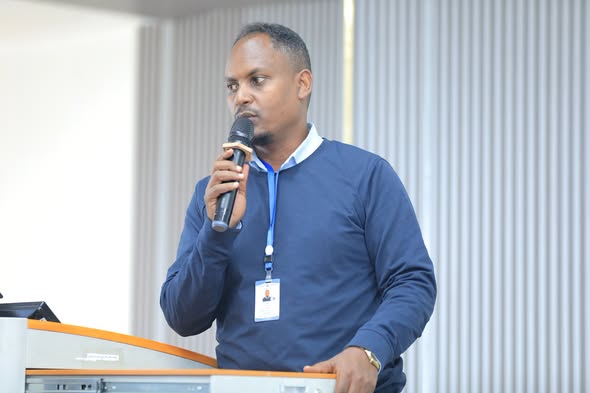
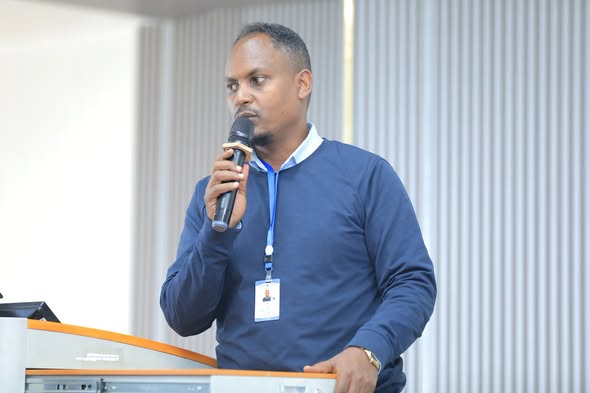
The Addis Ababa City Main Auditor’s Office provided awareness-raising training for its staff, focusing on ethics and good governance.
It was stated that the training aims to enhance employees' understanding of ethics and enable them to apply professional ethical principles in the course of their duties. Furthermore, it seeks to ensure that the services provided by the institution not only satisfy the needs of service users but also embed a system of operational transparency and accountability among all professionals.
Amente Mechalu, the Chief Auditor of Addis Ababa City, stated that the institution will continue to strengthen its awareness-raising training programs focused on ethics and good governance. He urged employees to embody professional ethics in their daily activities and emphasized that every staff member must properly fulfill their responsibilities to effectively carry out the institution’s mission.
Furthermore, the Chief Auditor noted that the institution operates under a transparent procedural framework. He stressed the importance of adhering to established professional and ethical principles—grounded in core ethical standards—while performing duties within the institutions where services are provided.
Ato Sisay Befikadu, Director of the Ethics and Anti-Corruption Monitoring Directorate at the Addis Ababa Justice Bureau, stated that ethics involves making or choosing sound decisions grounded in reason. He described ethics as a "human restraint"—a mechanism through which we regulate behaviors and actions that are deemed unacceptable.
Furthermore, Ato Sisay highlighted the significant role ethics plays in building a good reputation, identity, trust, and social acceptance; in fostering positive relationships; and in effectively guiding one’s approach to life and work. He emphasized that professionals should integrate ethical standards into the services they provide, noting that these ethical principles represent shared values that must be upheld and respected.
The forum clearly outlined the necessity of implementing ethical principles in the workplace—covering the professional responsibilities of employees, the obligation to comply with laws and regulations, and the role expected of them in preventing issues related to corruption and ethical misconduct—as well as the role of employees in the institution’s efforts to establish good governance.
Comments
Nothing was found.
Leave Your Comments